ByJohn A
The Future of Smart Transportation Systems
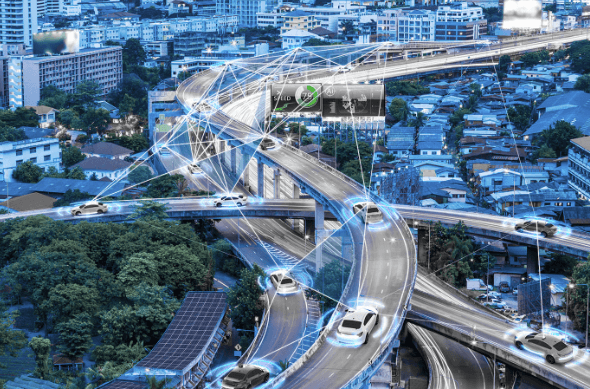
The future of smart transportation weaves autonomous networks among vehicles, infrastructure, and users through standardized interfaces and robust data governance. Real-time data fusion, edge computing, and vehicle-to-everything communications reduce latency and optimize flows. Privacy-preserving designs and equitable access anchor inclusive mobility. Policy, funding, and cross-disciplinary collaboration are essential to scale pilots into resilient systems, guided by transparent metrics and governance. The outcome promises efficient, secure mobility that reshapes urban life, inviting further inquiry into implementation details.
What Makes Smart Transportation Tick
Smart transportation systems orchestrate mobility by integrating data streams from vehicles, infrastructure, and users, transforming disparate inputs into real‑time decisions.
The architecture rests on autonomous networks and robust data governance, enabling interoperable ecosystems.
Interdisciplinary reasoning links urban planning, cybersecurity, and analytics to sustain resilient flows, empower travelers, and balance efficiency with privacy.
This vision hinges on transparent standards and scalable, freedom‑preserving technologies.
Real-Time Technologies Driving Smarter Mobility
Real-time technologies form the operational core of smarter mobility, converting streams from vehicles, infrastructure, and users into immediate, actionable insights. Data fusion and edge computing enable near-instant decision-making, reducing navigation latency. Vehicle to everything communications synchronizes flows, while dataset stewardship underpins reliability. Autonomous platooning exemplifies efficiency, reinforcing a future where transportation choices optimize safety, sustainability, and freedom for all.
Overcoming Barriers: Privacy, Security, and Equity
The analysis integrates data-driven risk assessments, stakeholder perspectives, and interdisciplinary methods to illuminate governance pathways.
Privacy risks are quantified, and data minimization strategies are validated against performance targets, ensuring transparent accountability while preserving freedom to innovate and access equitable, reliable mobility solutions for all communities.
Designing the Future: Policy, Infrastructure, and Implementation
Policy, infrastructure, and implementation must align with the quantified risks and stakeholder insights established previously, translating them into scalable governance and engineering pathways. The design emphasizes interoperable systems, transparent data governance, and adaptive funding models, enabling rapid pilots and scalable deployment. Cross-disciplinary collaboration strengthens urban resilience, while performance metrics guide iteration, ensuring equity, safety, and freedom through data-informed, resilient transportation futures.
Frequently Asked Questions
How Will Autonomous Vehicles Affect Urban Zoning and Land Use?
Autonomous vehicles reshape urban zoning by enabling land reuse and optimized traffic flow; parking policy transforms. They drive flexible land use, reduce parking subsidies, support mixed-use districts, and encourage data-driven, interdisciplinary planning for liberated, value-aligned cities.
What Is the Long-Term Cost of Ownership for Smart Transit?
Whispers of a silver highway forecast long term maintenance and ownership costs, while data governance and privacy concerns orbit like satellites. The vision emphasizes interdisciplinary metrics, data-driven resilience, and freedom-loving stewardship shaping sustainable smart transit ownership horizons.
See also: What Are the Most Trusted Crypto Wallets?
How Do We Ensure Accessibility for All Mobility Users?
Accessible transportation is achievable through universal design, data-driven metrics, and interdisciplinary collaboration. The approach envisions end-to-end mobility for all users, prioritizing seamless, customizable experiences, evidence-based accessibility standards, and a liberated, inclusive transit ecosystem.
What Are the Environmental Benefits and Trade-Offs?
“Like a compass swinging.” The environmental benefits include reduced emissions and cleaner air, but environmental trade offs arise from resource extraction and energy sources; lifecycle emissions depend on materials, manufacturing, usage, and end-of-life processes in an interconnected system.
How Will Data Sharing Between Agencies Be Governed?
Data sharing between agencies will be governed through interoperable standards, data sovereignty principles, and multi-stakeholder oversight, ensuring governance transparency, auditable pipelines, and cross-domain accountability, while preserving autonomy for innovators and maintaining public trust in a data-driven future.
Conclusion
The future of smart transportation emerges as a data-driven tapestry where real-time fusion, edge computing, and V2X weave seamless mobility. As sensors proliferate and governance matures, systems become more resilient, efficient, and equitable. Challenges of privacy, security, and access fade behind transparent metrics and accountable design. It is, in essence, a living ecosystem—an orchestra of policy, infrastructure, and innovation—conducted toward freedom of movement for all, like a clear highway revealing the horizon of possibility.